
Evidence-Based Sustainable Tourism Model
The HERIT-ADAPT Sustainable Tourism Model for climate resilience of cultural and natural assets/managing tourism pressures..... Read More
Evidence-based framework supporting coastal and heritage destinations in strengthening climate resilience of cultural and natural assets, while managing tourism pressures. The model provides an integrated and participatory approach that enables destinations to:
● identify and assess climate risks and vulnerabilities affecting heritage assets
● better manage visitor flows and reduce pressure on sensitive sites
● support informed decision-making through digital twins, AI driven defect detection, and predictive models
● strengthen coordination between public authorities, heritage managers, tourism stakeholders and local communities
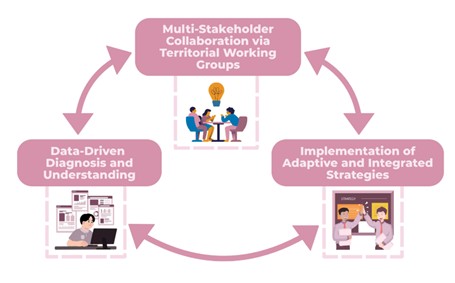
The HERIT ADAPT tool was implemented to address over-tourism, climate stress, and limited awareness of the wider cultural landscape. The pilot used AI‑enabled storytelling, QR‑based interpretation, and GIS‑mapped routes to reconnect the site with its historic network of medieval watchtowers in surrounding rural municipalities. This approach supported visitor flow redistribution, enhanced interpretation, and stronger cooperation among heritage managers, public authorities, and local communities through Territorial Working Groups.
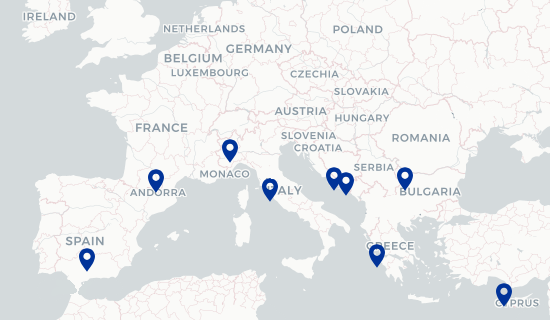
The tool is designed for Mediterranean heritage destinations, including UNESCO sites, historic town centres, natural protected areas, and culturally significant landscapes. These destinations, which experience pressures from mass tourism and climate variability, rely on the study to test, refine, and validate sustainable tourism measures under actual operational conditions.
Replicability of the model depends on a set of enabling conditions that can be applied across territories. Strong institutional commitment is essential to integrate the model into existing planning frameworks and tourism strategies, ensuring continuity beyond pilot actions. Structured stakeholder engagement, notably through Thematic Working Groups, supports co‑creation, builds local ownership, and maintains effective feedback loops that adapt the model to different governance contexts. Replication also requires a solid local evidence base, including an understanding of climate risks, tourism pressures, and heritage vulnerabilities, to design place‑specific adaptation pathways. Finally, the flexible combination of nature‑based solutions, technological tools, and monitoring indicators allows the model to be scaled and transferred while ensuring effective implementation, performance tracking, and long‑term learning in diverse destinations.
Ruralities Living Lab for Resilient Rural Communities
Sustainability in Rural Enterprises and Innovation


A member of the Social Innovation Stakeholders Network - www.SocialInnovationActions.Org
Social Innovation Actions - PIC 878506012