What makes people choose to live, work and build a future in rural areas?
As the European Commission develops its forthcoming ‘right to stay’ strategy, explore a wealth of #RuralPact knowledge on the conditions that help rural areas remain attractive, resilient & vibrant places..... Read More
As the European Commission develops its forthcoming ‘right to stay’ strategy, explore a wealth of #RuralPact knowledge on the conditions that help rural areas remain attractive, resilient & vibrant places: https://bit.ly/4b7UuFR
Rural Pact experience shows that rural attractiveness depends on a combination of factors rather than isolated interventions – discover place-based initiatives on access to services, economic opportunities, skills & connectivity. Rural revitalisation: identifying the ingredients for long-term change. A key strand of the Rural Pact’s work has focused on rural revitalisation. Drawing on experiences from across Europe, the Rural Pact knowledge highlights that demographic decline is rarely driven by a single factor. Similarly, reversing decline requires more than isolated interventions.
A dedicated Rural Pact Policy Briefing identifies seven ingredients that can support rural revitalisation, including political leadership on rural matters, integrated whole-of-government national/regional rural strategies, effective governance, rural proofing, coordinated investment, capacity building, and community engagement. Experiences gathered through the Rural Pact show how these ingredients come together in practice. Successful initiatives tend to combine economic, social and environmental dimensions rather than focusing on individual sectors.
Creating the conditions to stay
The detailed content of the forthcoming ‘right to stay’ strategy is currently under development, yet, ongoing discussions point to a broad, cross-sectoral approach covering economic development, skills, connectivity and access to essential services.
The examples below are not intended to reflect the future content of the strategy, but illustrate how rural communities across Europe are already addressing many of these interconnected challenges in practice.
Access to services - Access to services consistently emerges as one of the most important factors shaping rural attractiveness. A recent Rural Pact Community Pulse poll identified access to services and infrastructure as the area most urgently requiring improvement to strengthen rural attractiveness. Across Europe, rural communities are already testing practical solutions to improve access to essential services and address the challenges associated with remoteness, demographic change and declining service provision.
Housing - Access to affordable and suitable housing has become an increasingly important issue across Europe’s rural areas. Housing shortages can limit the ability of communities to attract and retain residents, workers and young families, while ageing and inefficient housing stock presents additional challenges.
Transport and mobility - Mobility plays a critical role in connecting people to opportunities, services and social life. Discussions and examples gathered through the Rural Pact show that effective solutions must be adapted to local circumstances. Low population density, long travel distances and limited public transport services often require innovative and flexible approaches.
Health and care - Access to healthcare remains a challenge in many rural areas, where ageing populations, workforce shortages and geographical distance can limit service provision. Integrated care models, digital tools, preventive approaches and community engagement can all play a role in overcoming issues with access to health services.
Digital connectivity and skills - Digital connectivity is increasingly essential for accessing services, education, employment opportunities and social life in rural areas. However, digital infrastructure alone is not enough: connectivity, equipment and digital skills need to be developed together, while digital solutions are most effective when tailored to local needs and supported through community-based approaches.
Economic opportunities - Access to jobs, entrepreneurship and economic diversification remains another essential component of rural attractiveness. Economic opportunities emerged as the second most important area requiring improvement in the dedicated Rural Pact Community Pulse.
Entrepreneurship - Entrepreneurship is an important driver of rural attractiveness, helping create jobs, services and opportunities that enable people to build their futures locally. Experiences collected through the Rural Pact point to a range of approaches to strengthening local economies, including support for entrepreneurship, skills development and economic diversification.
Sustainable tourism - Tourism can contribute to rural attractiveness by creating jobs, supporting local businesses and valorising natural and cultural assets. In this sense, balancing economic opportunities with environmental sustainability, community involvement and the long-term resilience of rural destinations is key.
Rural innovation - Innovation is increasingly recognised as a key enabler of rural development. Rural Pact experiences show that innovation extends beyond technology and can also take social, organisational and governance forms. Collaboration between local actors, researchers, businesses and public authorities can help generate solutions tailored to territorial needs.
Lessons for the ‘right to stay’ strategy - Rural Pact experience shows that rural attractiveness depends on a combination of factors rather than isolated interventions, echoing recent OECD insights highlighted through the Rural Pact. Access to services such as housing, mobility and health, as well as economic factors such as entrepreneurship, tourism and innovation are closely linked and require coordinated, place-based responses. As work on the ‘right to stay’ strategy progresses, Rural Pact knowledge offers practical evidence from communities across Europe on what helps to make rural areas attractive places to live, work and build a future.
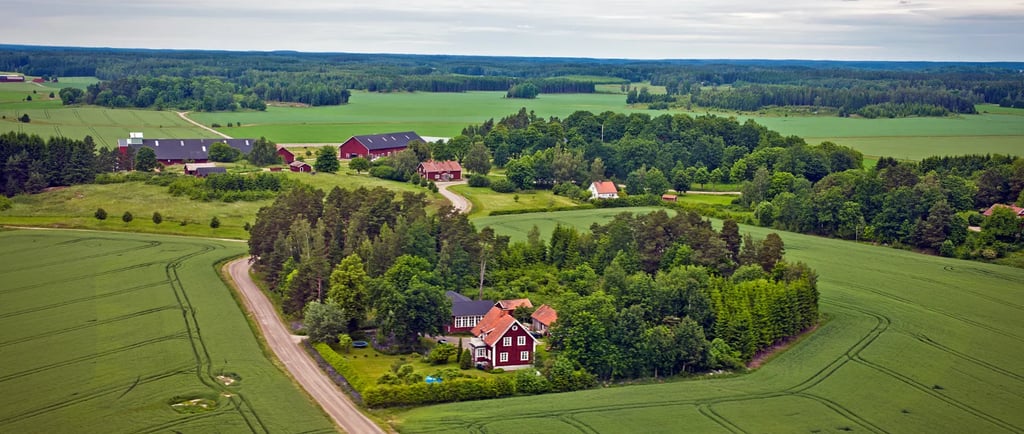
Author and photo: Rural Pact Support Office
Rural Pact Community Pulse: what drives rural competitiveness? Share your views!
Rural competitiveness is an increasingly important topic in discussions on the future of rural areas and the post-2027 EU policy framework. Strengthening rural businesses, supporting innovation, attracting and retaining talent, and creating opportunities for economic diversification are important elements of resilient and thriving rural economies. Answer the Rural Pact Community Pulse poll by 20 July and share your views on the factors and policy priorities that matter most. It is anonymous and takes just two minutes to complete.
Ruralities Living Lab for Resilient Rural Communities
Sustainability in Rural Enterprises and Innovation

A member of the Social Innovation Stakeholders Network - www.SocialInnovationActions.Org
Social Innovation Actions - PIC 878506012